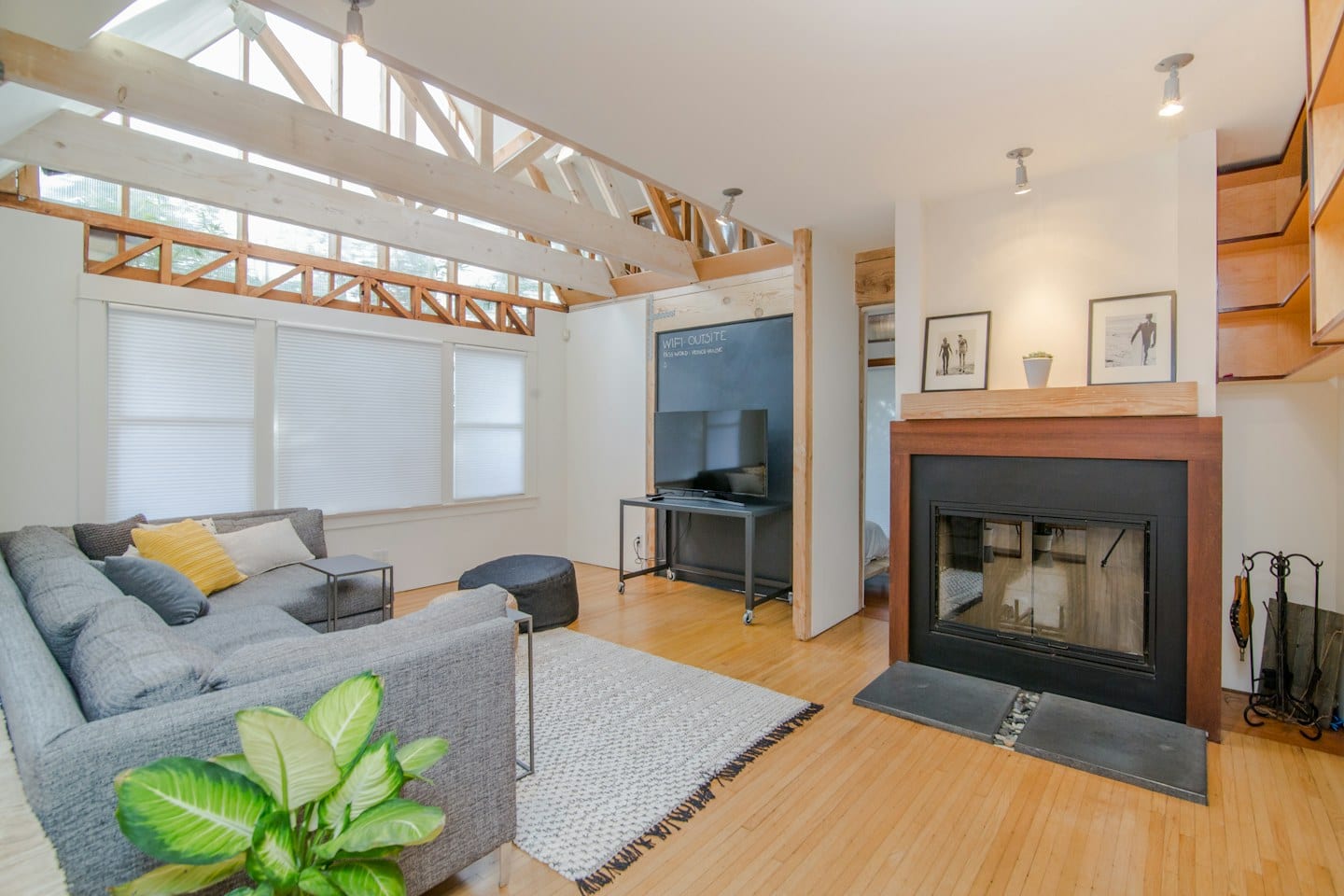
A notebook filled with scraps of paper, digital screenshots of mid-century armchairs, and scribbled dimensions of a living room floor represents a common starting point for many couples. These notes serve as a catalog of individual tastes, yet they rarely function as a blueprint for a shared reality. One person may have saved images of sleek, low-profile sofas, while the other has a list of heavy, velvet textures and deep seating. Without a way to bridge these preferences, the collection remains a series of contradictions rather than a path toward a finished room.
The Weight of Individual Preferences
The difficulty lies in the transition from personal enjoyment to collective utility. A piece of furniture that looks striking in a solo photograph might fail to meet the functional needs of a shared household. For example, if one partner prioritizes a minimalist aesthetic with hard surfaces, they might favor a coffee table made of polished stone or glass. If the other partner values comfort and durability for evening relaxation, they may lean toward a soft, oversized ottoman.
The tradeoff here involves balancing visual impact against daily wear and tear. A high-design piece may satisfy the desire for a curated home, but it might not withstand the realities of shared meals, remote work, or casual lounging. Moving forward requires looking past the individual "likes" to see how the objects interact with one another and with the people using them.
Testing the Hypothetical Layout
To move from a list of notes to a concrete decision, it helps to simulate the actual environment. For example, if you are debating between a large sectional sofa and two distinct lounge chairs, consider the specific routines of your household. Does your evening involve sitting close together to watch a film, or do you prefer separate zones for reading and conversation? A sectional offers proximity but limits movement, whereas individual chairs provide flexibility at the cost of a unified seating arrangement.
Before committing to a purchase, observe the physical space. You might use masking tape on the floor to mark the footprint of a potential piece. This allows you to see if a heavy dining table leaves enough room for others to walk behind chairs, or if a tall bookshelf will make a low-ceilinged room feel cramped.
Defining the Selection Process
The most effective way to resolve a stalemate is to establish the criteria for the decision before looking at the furniture itself. Rather than arguing over a specific color or fabric, agree on the non-negotiables: the required dimensions, the intended primary use, and the expected level of maintenance. Once the boundaries are set, the pool of options shrinks significantly.
If a piece of furniture requires specialized assembly or specific care, ask the retailer how the item should be maintained to preserve its condition. If you are unsure about the structural integrity of a custom piece, ask the manufacturer about the materials used in the frame. By focusing on these shared requirements, the scattered notes in your notebook can finally transform into a cohesive plan for your home.

