This is a paid partner contribution. Commercial relationships are disclosed so readers can distinguish sponsored content from editorial guides.
A storefront window, a directional sign in a lobby, or a glowing screen in a high-traffic corridor all serve a single purpose: to communicate. Deciding how to present your message is a process of balancing visibility, environment, and the specific way you want people to interact with your space. Because every physical installation occupies a unique footprint, the transition from a rough idea to a finished product requires a focused approach to information gathering.
Evaluating the Environment
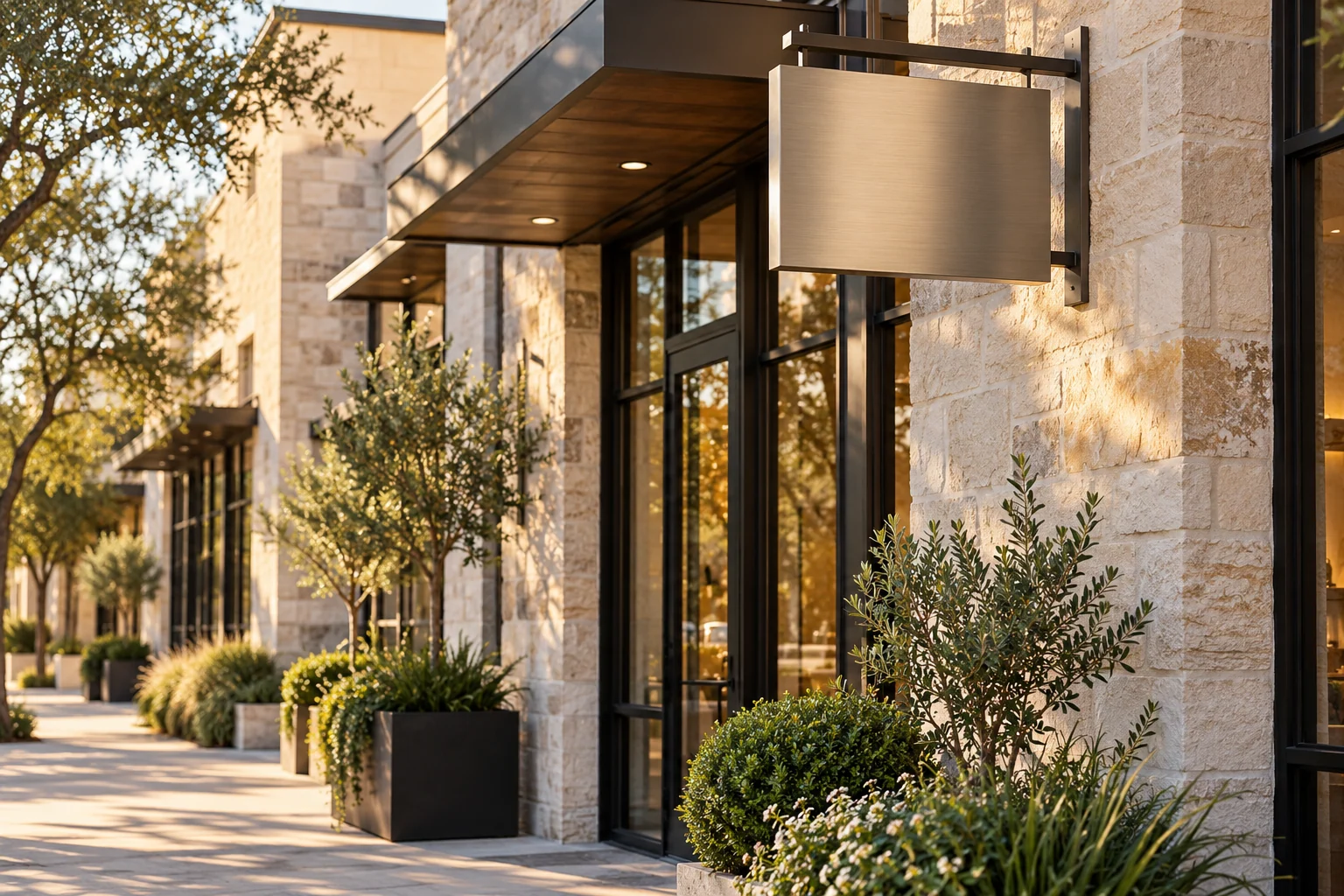
The location of a sign is as important as the sign itself. A display meant for a dim interior hallway faces different challenges than one positioned near a bright window or an outdoor entrance. Consider the lighting in your space and how it might interact with different materials or screens. For example, if you are looking into digital signage Dallas, you might consider how ambient light affects readability at different times of the day.
When evaluating options, weigh the tradeoff between static and dynamic displays. A permanent, printed sign offers a consistent look with no moving parts, while a digital display allows for frequent updates. Ask yourself how often your messaging needs to change and whether the effort of updating a digital file outweighs the convenience of a permanent fixture.
Organizing Your Project Details
Before meeting with a specialist, gather the specific dimensions and constraints of your intended site. Having a clear understanding of the available wall space, mounting surfaces, or floor area prevents confusion later in the process. It is helpful to note the textures of your walls and the proximity of electrical outlets or power sources.
Prepare a list of your core requirements. Instead of focusing on specific products, focus on the problem you are trying to solve. Are you trying to guide people to a specific door, or are you trying to announce a weekly menu? Knowing the intended behavior of your audience—whether they are walking quickly past or standing still to read—will help guide the conversation.
Asking the Right Questions
A productive consultation relies on specific inquiries rather than general assumptions. Rather than asking if a solution is good, ask how a particular material or display type addresses the specific lighting and traffic patterns you have observed in your building. If you are considering a mounted display, ask about the installation process and what tools or structural support might be necessary.
When discussing timelines and logistics, ask for a clear breakdown of the steps involved from the initial design to the final placement. You may want to use the FASTSIGNS Dallas Fair Park contact page to begin these inquiries. Ask who will be responsible for the physical installation and how they handle the specific layout of your space. By focusing on these practical details, you ensure that the final visual element integrates seamlessly into your existing environment.


