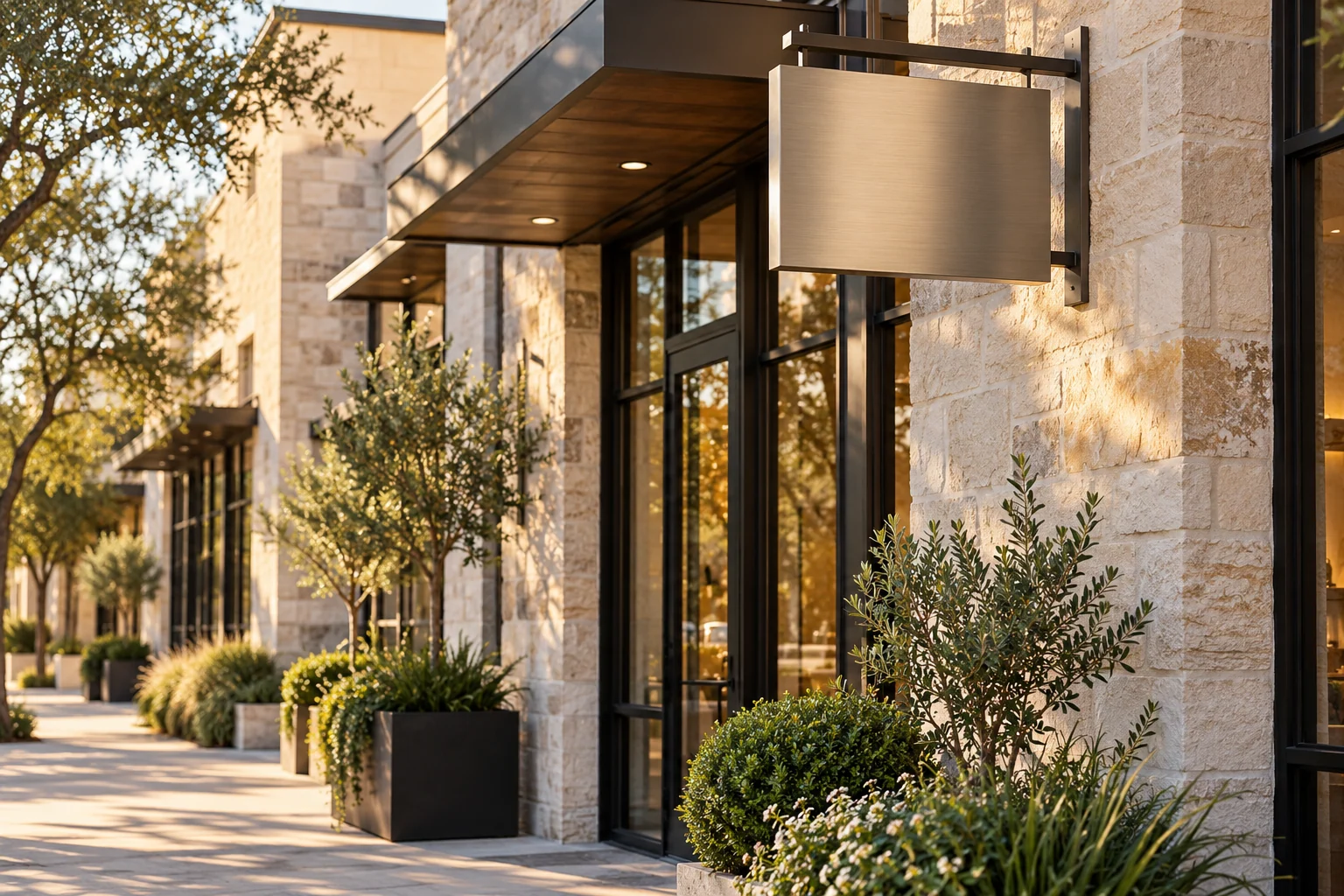
A well-placed sign does more than mark a location; it acts as a silent communicator for anyone passing by. Whether you are refreshing a storefront or marking a community gathering space, the physical object serves as the bridge between your intent and the viewer's understanding. However, the transition from a mental concept to a finished piece of signage involves a series of specific choices regarding clarity, audience, and logistics.
Defining the Audience and the Message
Before selecting materials or colors, consider who is meant to see the sign and how they will interact with it. A sign intended for pedestrians walking a busy sidewalk requires a different approach than one meant for drivers moving at high speeds. The speed of the viewer dictates how much information can be processed in a single glance. If your message is dense, it may be lost on a commuter, whereas a minimalist design might feel empty to someone standing directly in front of it.
For example, if a local community group is organizing a multi-generational neighborhood festival, they face a unique communication challenge. The younger attendees might respond to bold, contemporary graphics, while older residents may prioritize high-contrast text that is easy to read from a distance. The group must decide whether to create a single, broad design that attempts to satisfy everyone or to develop a series of signs that cater to different visual preferences. This tradeoff involves weighing the simplicity of a unified look against the potential effectiveness of more tailored messaging.
Visual Assets and Technical Feasibility
The quality of your starting materials heavily influences the final product. If you have high-resolution photographs to incorporate into the design, they can provide a sense of texture and realism. If you are working from lower-quality images, the results may appear blurred or distorted when scaled up to a larger size. When you approach a provider, bring any existing visual assets you have and ask how the resolution of those files will affect the final print quality.
Beyond the aesthetics, the physical environment plays a role. A sign mounted on a brick wall behaves differently than one suspended from a metal frame. Ask the provider about the feasibility of your specific design within the environment you have described. You might inquire about how different materials respond to the local elements and whether the weight of the proposed sign is compatible with your chosen mounting surface.
Navigating the Installation Process
Once the design is settled, the focus shifts toward the logistics of placement. A beautiful sign is of little use if it cannot be legally or safely installed. Rather than assuming the process is straightforward, ask the provider which local approvals might be necessary for your specific type of signage. You should also ask who would be responsible for arranging those approvals and whether the installation includes a review of the mounting requirements.
Resolving these details early allows you to focus on the purpose of the sign itself. By asking about the technical constraints and the necessary permissions, you ensure that your visual message remains a permanent and effective part of your landscape.


