A dinner party often begins with a vision of effortless elegance, but the reality can shift quickly. You might start with a plan for a quiet, three-course meal, only to find that the guest list has grown or the dietary preferences of your visitors have become more complex. When you are the person orchestrating the evening, the risk is that you spend the entire event in the kitchen, watching the conversation through a doorway rather than participating in it. The goal is to design an evening where the person who prepared the food can actually enjoy it alongside the people for whom it was made.
Balancing the Menu and the Contribution
The foundation of a seamless evening is a menu that allows for presence. Instead of choosing dishes that require constant attention at the stove, consider items that can be prepared in advance or assembled quickly. This shift in planning creates a meaningful tradeoff: you may trade a highly complex, multi-component dish for a menu that emphasizes high-quality ingredients and shared platters. This approach prioritizes the social atmosphere over culinary performance, ensuring that the host is not tethered to a timer.
When guests offer to help, the details of that help matter. Rather than a vague agreement to bring "something," establish a clear structure for contributions. For example, if you are providing the main protein and a starch, ask a friend to bring a specific seasonal salad or a particular type of dessert. This prevents the table from becoming crowded with three different appetizers and no dessert, ensuring the meal remains balanced and the host is not left managing an excess of items that do not fit the theme.
Defining Roles and Responsibilities
The most common pitfall occurs when the lines between preparation and service are blurred. If you are responsible for the final cooking, you cannot also be the person pouring the drinks and clearing the plates. To avoid this, decide early on how the service will function. Will guests serve themselves from family-style platters, or will you designate a co-host to manage the flow of dishes? Defining these roles before the first guest arrives prevents the frantic mid-meal scramble that often leaves a host feeling isolated from the group.
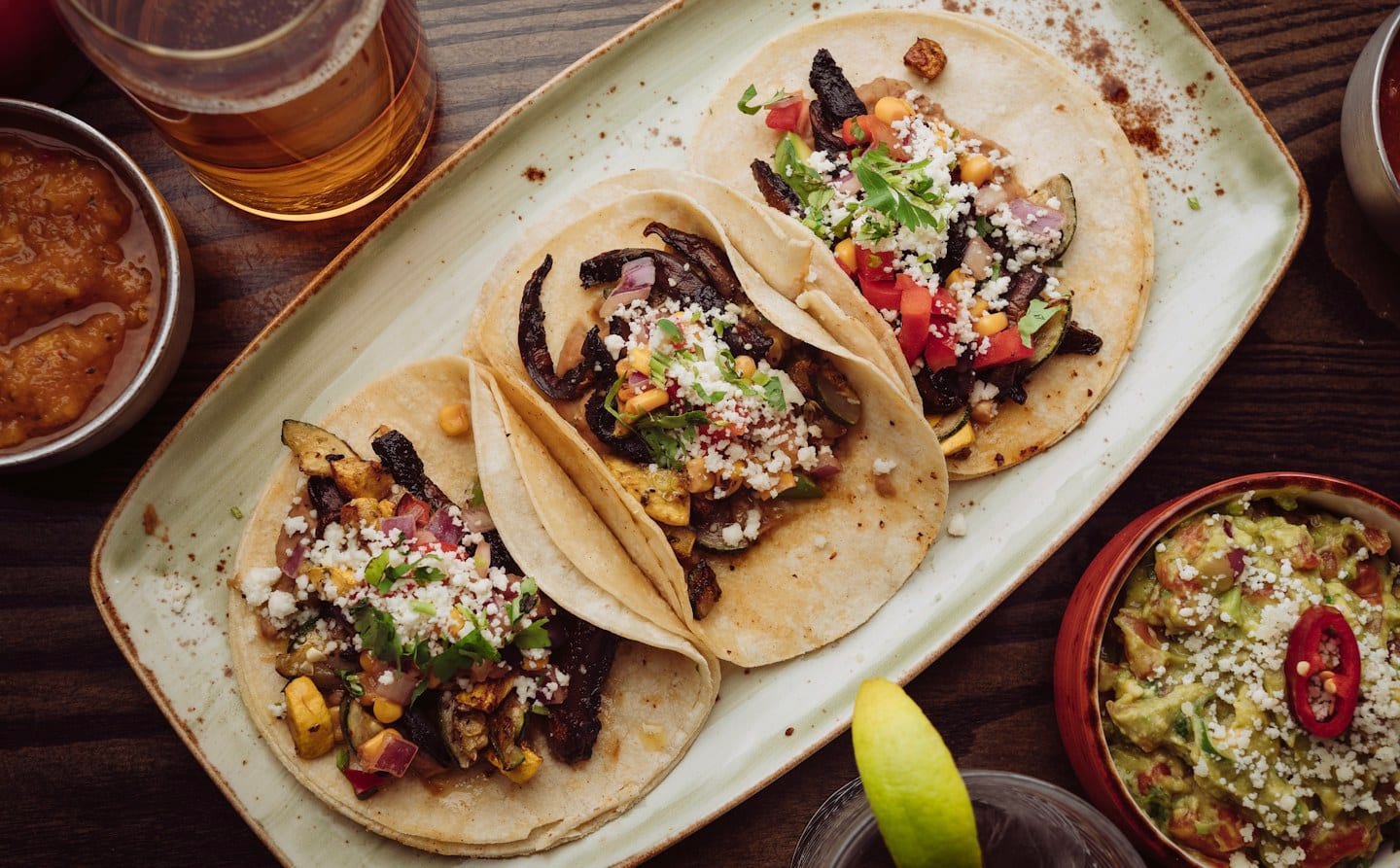
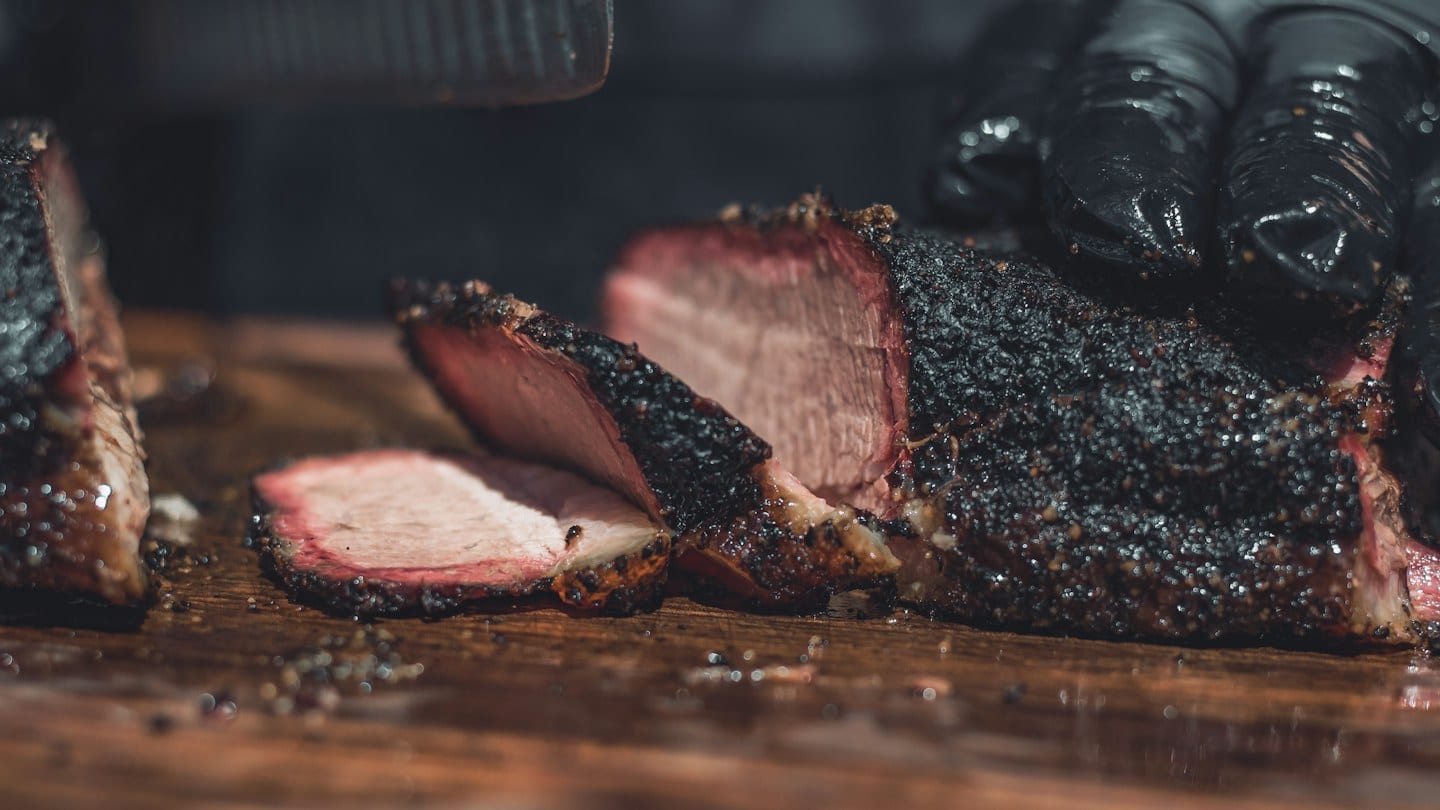
For example, if you have decided to host a taco night, you might prepare the slow-cooked meats and salsas in advance, but ask a close friend to manage the station where guests assemble their own plates. This allows you to step away from the kitchen and join the group for the first round of drinks. By delegating the service of the food, you reclaim your role as a conversationalist.
Refining the Plan
When the original constraints of your evening change—perhaps a guest mentions a new restriction or the headcount increases—revisit your logistics immediately. Ask yourself if the current menu still allows you to sit down at the same time as your guests. If the answer is no, it may be time to simplify the dishes or adjust the contribution list. By separating the tasks of cooking from the tasks of hosting, you ensure that the host is not just a provider, but a participant in the evening's joy. A successful host knows when to prioritize the menu and when to prioritize the company.