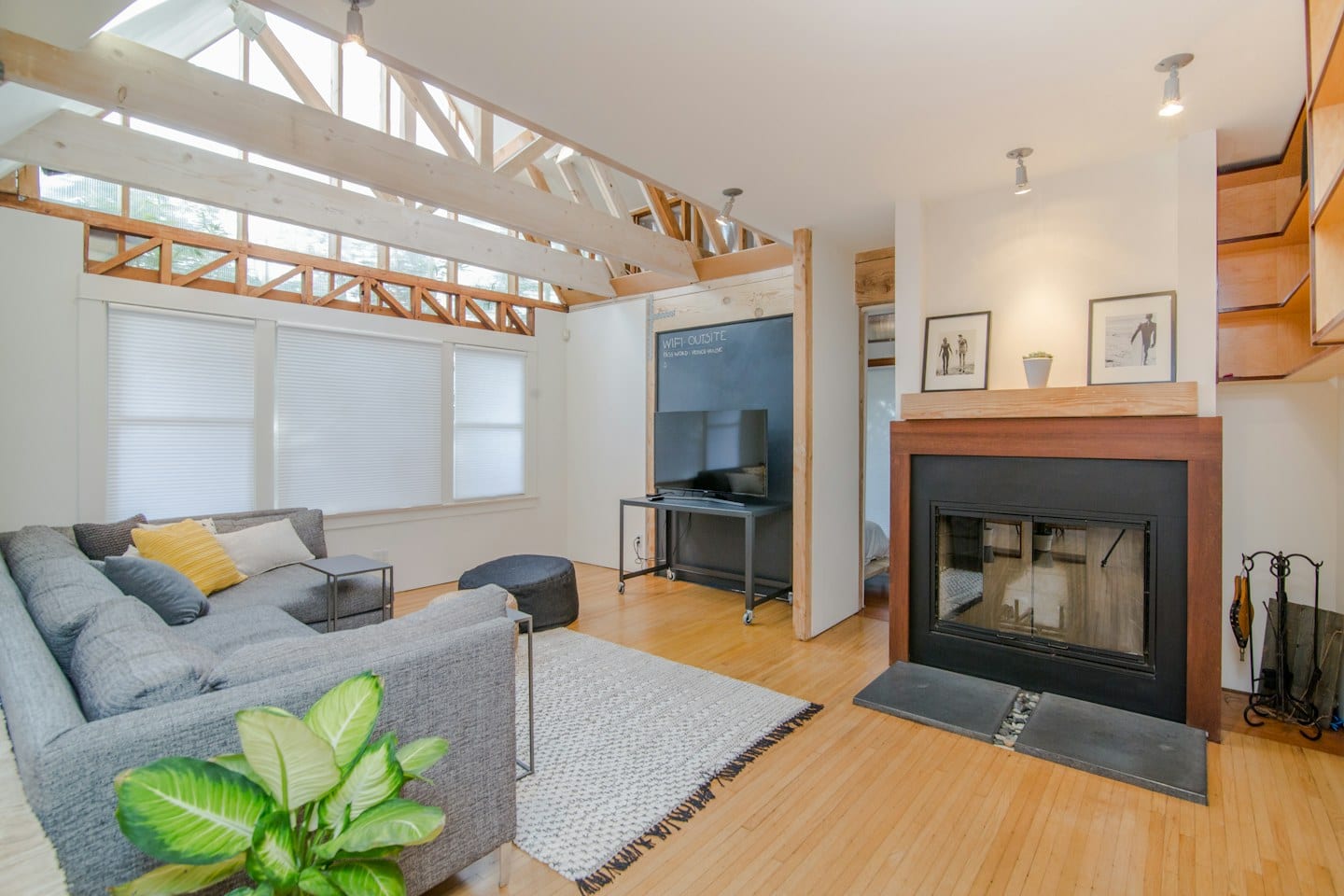
A "Deluxe Suite" and a "Premier King" might sound like vastly different experiences, but the nomenclature used by hotels often obscures the practical realities of how you will actually spend your time. For the traveler navigating a complex schedule, the distinction between these categories matters less than the physical layout and the quietude of the space.
The Weight of Dual Responsibilities
Consider the traveler who is not merely escaping for a weekend, but is instead managing a delicate equilibrium. You may be in town for a series of morning presentations while simultaneously coordinating a home renovation via video calls or managing a child's school schedule from a laptop. In this scenario, the room is not just a place to sleep; it is a temporary headquarters and a private sanctuary.
The tradeoff often lies between the sheer square footage of a larger room and the functional utility of its features. A sprawling suite might offer impressive views, but if the only surface suitable for a laptop is a low coffee table, the luxury of space becomes a logistical hurdle. You might find yourself choosing between a smaller, more efficient room with a dedicated workspace or a larger room where the furniture is arranged primarily for lounging.
Measuring Utility Over Aesthetics
For example, if you are planning a trip that requires late-night preparation for a conference followed by early morning family check-ins, the proximity of the room to high-traffic areas becomes a primary concern. A room labeled as "Executive" might imply a certain level of quiet, but that label does not account for its location near an elevator bank or a breakfast service area.
Instead of relying on the adjectives provided in a booking menu, focus your inquiries on the specific environmental factors that support your routine. Ask the hotel staff how the layout of a particular room type accommodates both rest and focused tasks. If you require a specific level of privacy for sensitive work calls, ask which room locations are furthest from the communal corridors.
Refining Your Selection
The goal is to move beyond the marketing language to understand the physical constraints of your temporary environment. When a website lists amenities, it describes what is available, not how those items are positioned or how they function within the room's footprint.
Before finalizing a reservation, reach out to the property to clarify the specifics of your needs. Ask the reservation agent how the desk or seating area in a specific room type is configured for use. Inquire about the lighting quality for video conferencing and whether the room features any particular acoustic characteristics. By asking these targeted questions, you ensure that the room you book serves your specific professional and personal requirements rather than just fulfilling a category name.