This is a paid partner contribution. Commercial relationships are disclosed so readers can distinguish sponsored content from editorial guides.
A blank wall or an empty storefront represents a set of possibilities. When a business owner decides to invest in visual communication, the transition from a mental concept to a physical installation involves several distinct choices regarding material, placement, and visibility. Deciding whether to prioritize a large-scale exterior mark or subtle interior guidance is a decision that shapes how people interact with a space.
Defining the Visual Goal
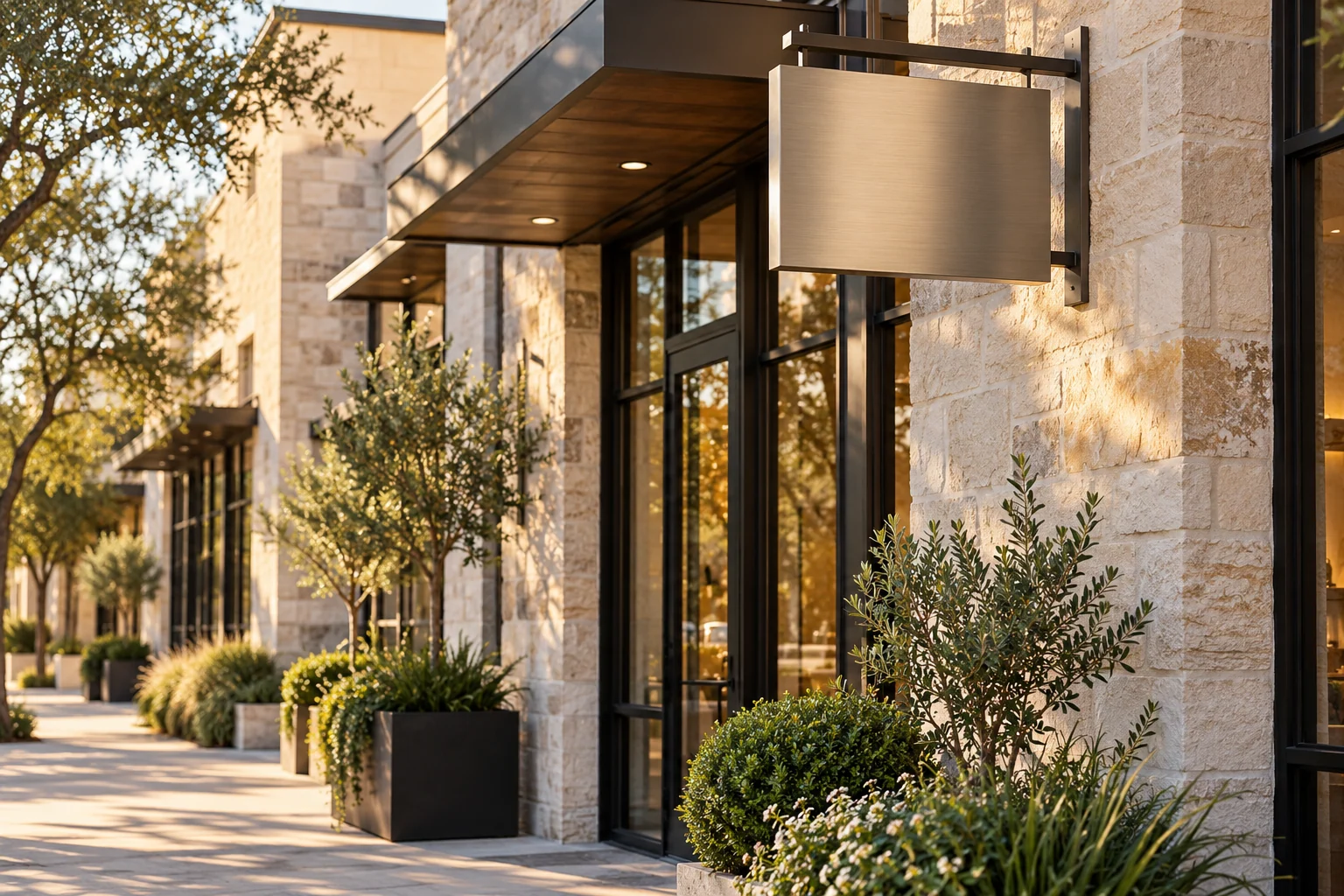
The first step in the process is identifying the specific role the signage will play. Some signs exist to pull people in from the street, while others serve to direct movement once someone has already entered the building. For example, if a business owner is looking for storefront and building signs near North Jim Miller Road, the focus might be on scale and distance. In contrast, a different project might require germ prevention signage placed at eye level near high-touch surfaces.
Consider the tradeoff between permanence and flexibility. A heavy, mounted sign offers a sense of stability, whereas modular or adhesive options allow for easier updates as business needs change. Determining which approach fits your current stage of growth is a foundational part of the planning process.
Organizing Your Space and Requirements
Before meeting with a professional, gathering physical details about your environment can clarify the conversation. Taking measurements of the intended installation area helps prevent mid-project adjustments. It is also useful to observe how light hits the space at different times of the day. A sign that looks vibrant in the morning might be obscured by glare in the afternoon, or a sign intended for an interior hallway might struggle if the lighting is dim.
Documenting the textures of your walls—whether they are brick, drywall, or glass—is equally important. The surface material dictates how a sign can be attached and how much weight the structure can support. Having these observations ready allows for a more technical discussion about installation methods.
Asking the Right Questions
A consultation is most effective when the business owner asks questions that address the specific constraints of their project. Rather than assuming a certain material is the only option, ask the professional which materials they recommend for the specific environment you described. If you are concerned about durability, ask how the chosen materials respond to the local climate or frequent cleaning.
It is also helpful to clarify the logistics of the installation itself. Ask who will perform the work and what the quoted labor arrangement includes. You might also ask how the proposed design addresses the specific dimensions and lighting conditions of your building. By focusing on these practical details, you can move toward a finished product that aligns with your specific vision for the space.


