The smartphone screen glows with a dozen different text messages, each containing a conflicting request for dinner. One person wants extra sauce, another wants no onions, and a third is checking for specific ingredient substitutions. When you are the designated coordinator for a group takeout order, you are not just a hungry participant; you are the temporary logistics manager for a complex, edible puzzle.
The Weight of the Coordinator
Taking on the role of the group orderer often feels like a social service, but it carries a distinct set of pressures. You are the bridge between the collective appetite of your friends or family and the kitchen staff at a local restaurant. The primary challenge is not just the math of the total cost, but the precision required to ensure that every individual's preference is respected. A single oversight can turn a celebratory meal into a moment of frustration for a guest whose specific request was missed.
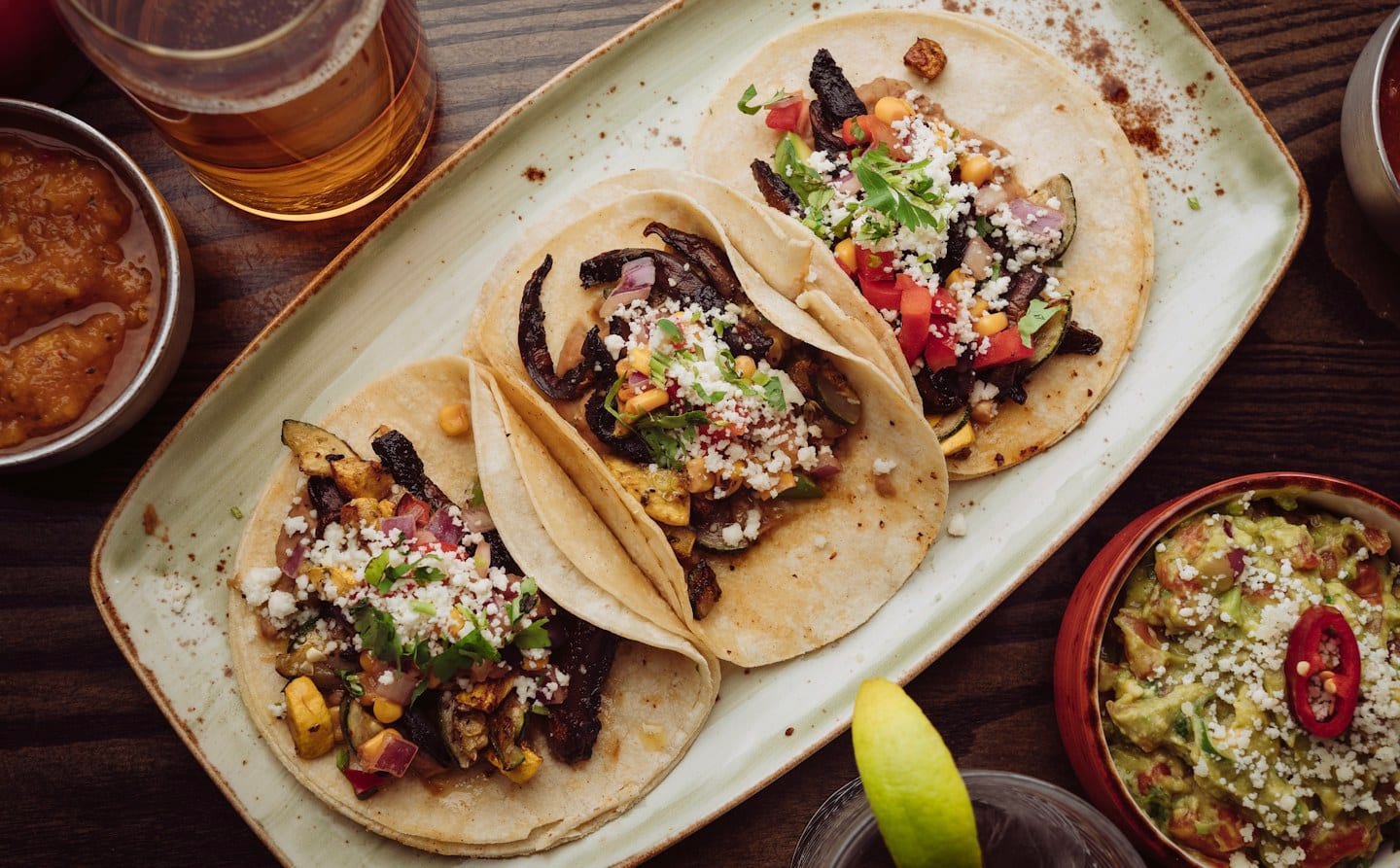
For example, if you are ordering from a local taco shop for a gathering of six, the complexity rises quickly. You might have one person requesting a specific protein swap, another asking for a side of citrus, and a third requesting that certain items be kept separate from others. The tradeoff here is between speed and accuracy. Rushing through the digital menu to get the order placed quickly increases the risk of a mistake, while spending excessive time on every nuance might delay the entire meal.
Clarifying the Customizations
To manage these nuances, the coordinator must move beyond simple selection. When an order involves multiple modifications, the clarity of the communication becomes paramount. Instead of assuming a standard preparation, ask the restaurant how they handle complex, multi-person requests. You might ask if they can clearly note specific modifications on individual containers or if they have a preferred way for you to list substitutions to ensure they are seen by the kitchen.
It is also helpful to verify how the restaurant handles the packaging of a large order. Ask if the items will be grouped by person or by dish type. Knowing this allows you to prepare your dining space accordingly, ensuring that the person who requested a specific sauce doesn't have to hunt through three different bags to find it.
Labeling for Success
Once the food arrives, the final hurdle is the distribution. A pile of identical containers can lead to a chaotic scramble where guests are unsure which dish is theirs. To prevent this, consider a simple labeling system before the food even reaches your door. If you are picking up the order yourself, you can ask the provider if they can write names on the lids or if they can provide separate bags for different subsets of the order.
If the restaurant cannot assist with labeling, you can take the lead. Using a simple marker to note a name or a specific preference on a container can save significant time. By focusing on these small, logistical details—clarifying modifications with the provider and ensuring each meal is identifiable—you transform a potentially stressful task into a smooth, enjoyable experience for everyone at the table.