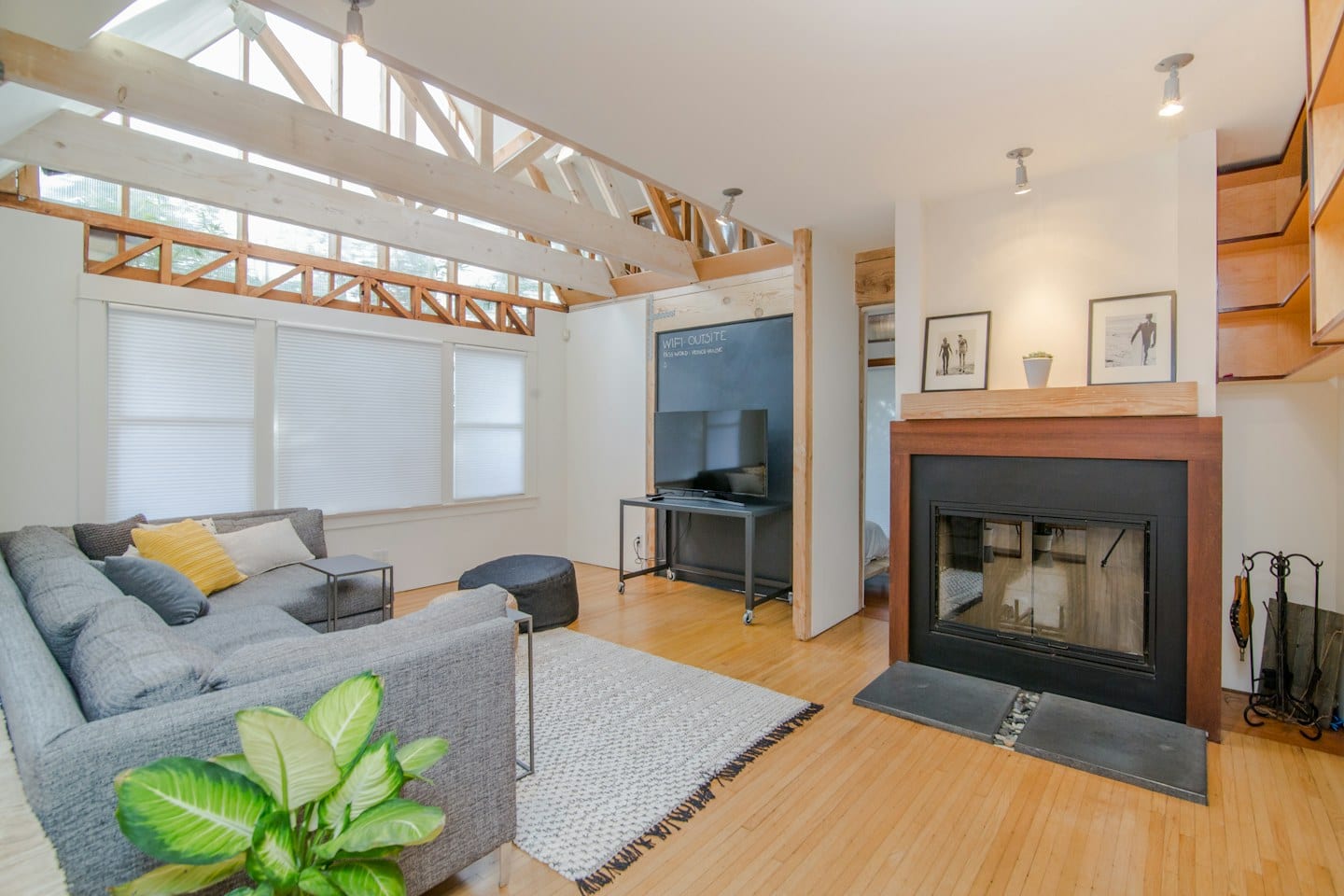
A notebook filled with fabric swatches, printed screenshots of sun-drenched living rooms, and scribbled notes about "soft light" is a common sight in many Dallas homes. These fragments represent a genuine vision, but they often sit idle because the leap from a mood board to a physical installation feels daunting. The transition from admiring a texture to selecting a specific solution requires moving past what a window looks like and focusing on how it behaves in your daily life.
Observing the Light and the View
Before meeting with a supplier, look closely at the windows themselves. It is helpful to observe how the sun moves through the room at different hours. You might notice that a particular corner becomes uncomfortably bright at 3:00 PM, or that a neighbor’s porch is visible from your breakfast nook during dinner hours. These observations are more valuable than any technical term you might find in a catalog.
Consider the tradeoff between how much light you want to let in and how much privacy you require. For example, if you choose a solution that completely blocks the view to ensure privacy, you may also lose the sense of openness that makes a room feel spacious. Imagine a scenario where you are decorating a street-facing bedroom; you might weigh the desire for a morning glow against the need to prevent passersby from seeing inside. Identifying these specific priorities helps narrow the vast array of options available to you.
Refining Your Collection of Notes
The notes you have already gathered are a foundation, not a finished plan. Instead of trying to match a specific pattern you saw online, try to identify the feeling that pattern evoked. Was it the way the light filtered through the material, or the way the color complemented your flooring? When you move from the "what" to the "why," you provide a clearer direction for the person helping you.
Group your notes by function rather than by style. Separate your ideas into categories like "areas where I need total darkness" and "areas where I want to see the garden." This organization turns a chaotic pile of inspiration into a functional roadmap for your home. By categorizing your thoughts, you can address each room's unique environmental challenges one by one.
Conversations with the Supplier
When you are ready to speak with a professional, avoid the pressure of knowing the exact terminology. Your goal is to translate your observations into their expertise. Instead of searching for specific product names, ask questions that address your lived experience in the room. You might ask how a particular recommendation handles the specific glare you noticed in the afternoon, or how a certain material might react to the heat coming through the glass. Ask how the installation will interact with your existing trim and whether the chosen option allows for the level of light control you described. By focusing on your specific needs for privacy, light, and appearance, you turn your collection of notes into a decisive plan of action.

